

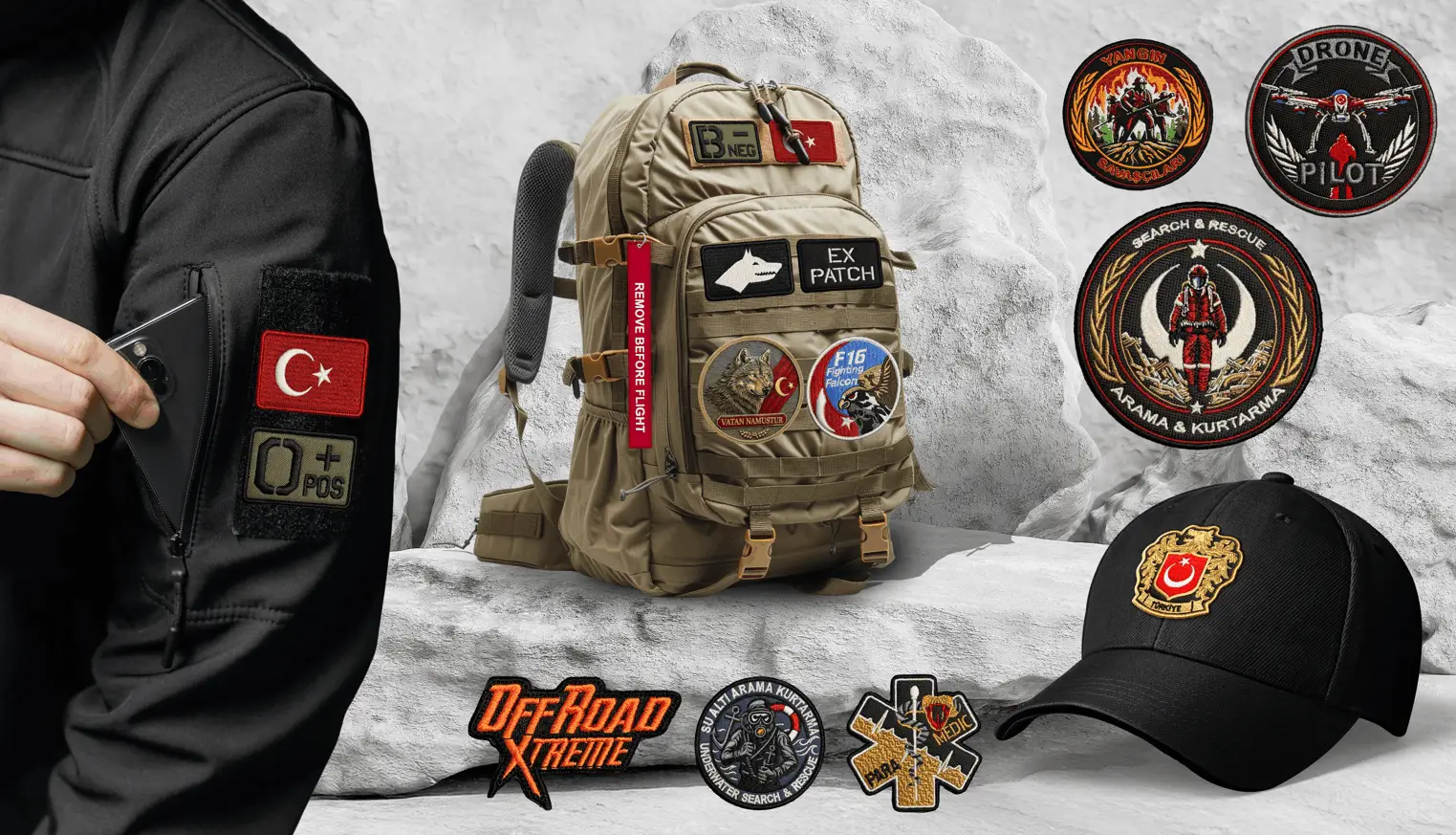
The World’s Most Comprehensive Embroidered and TPU Patch Store
FEATURED PRODUCTS
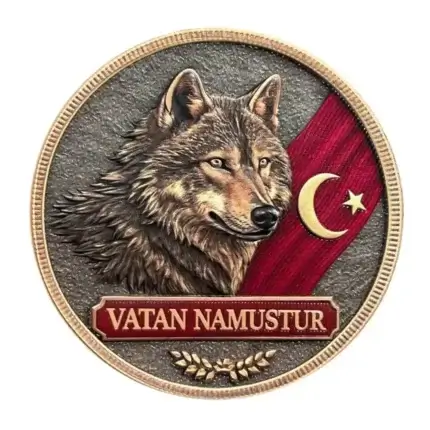
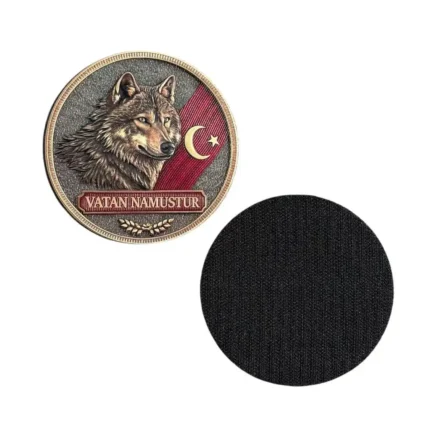
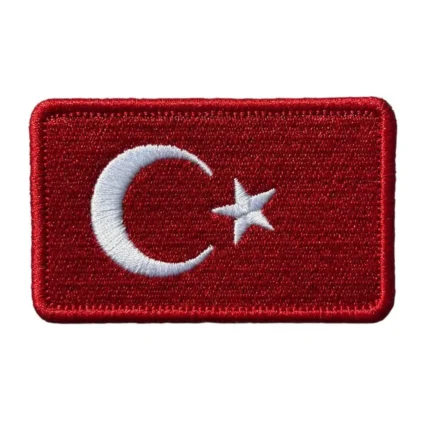
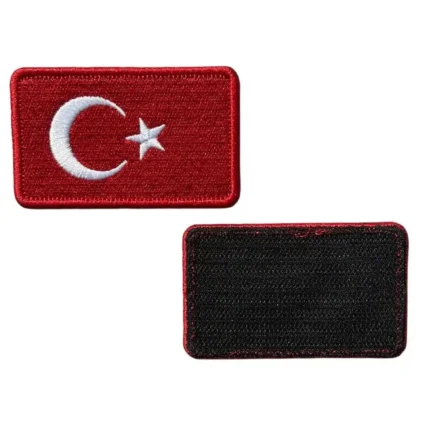
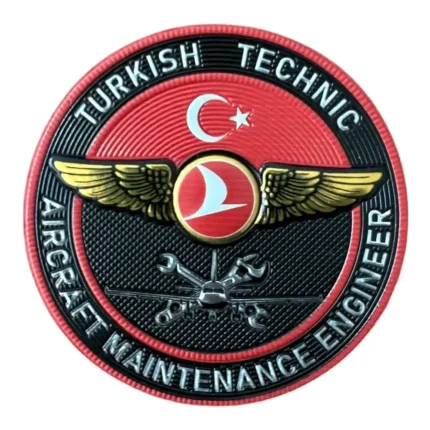
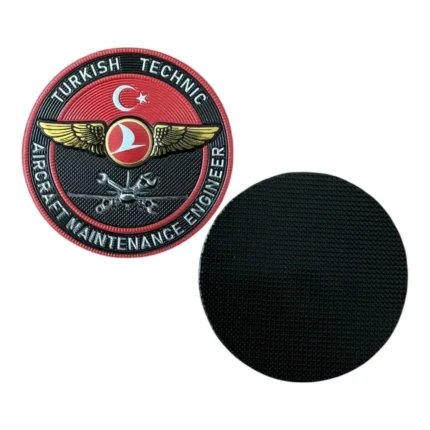
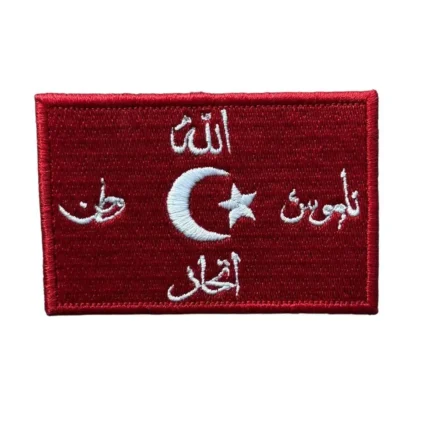
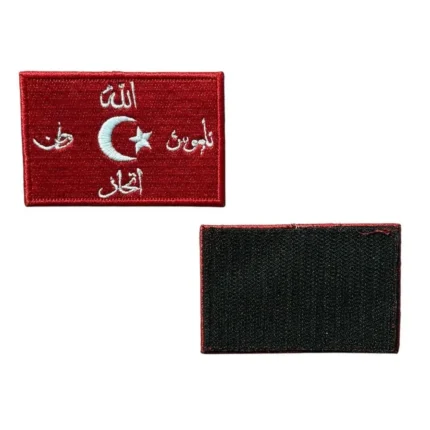
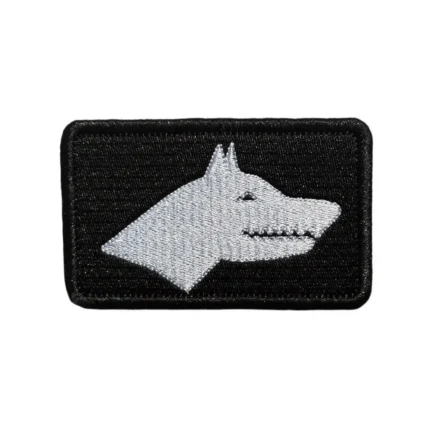
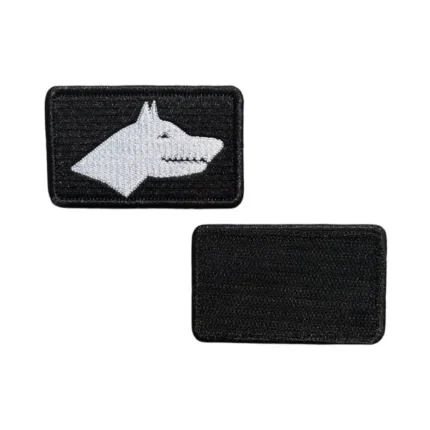
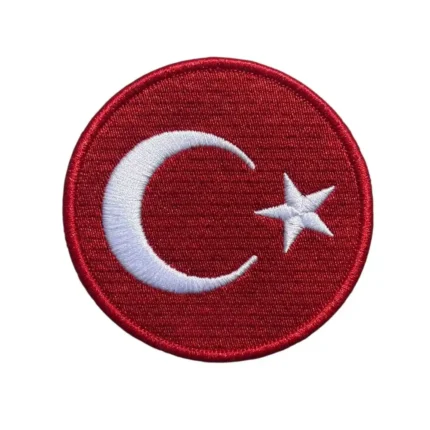
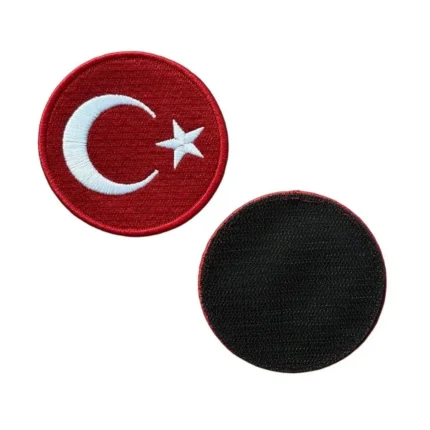
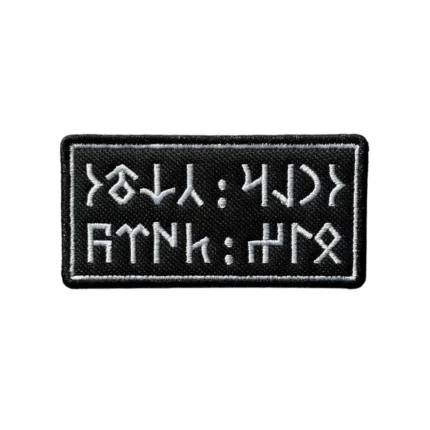
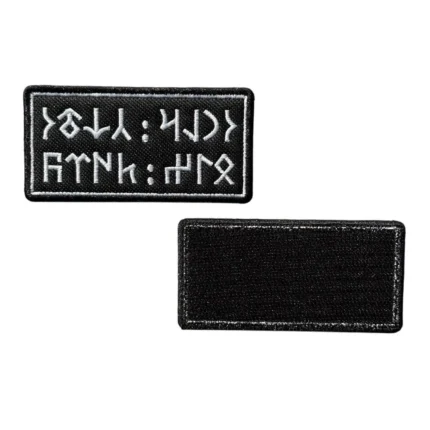

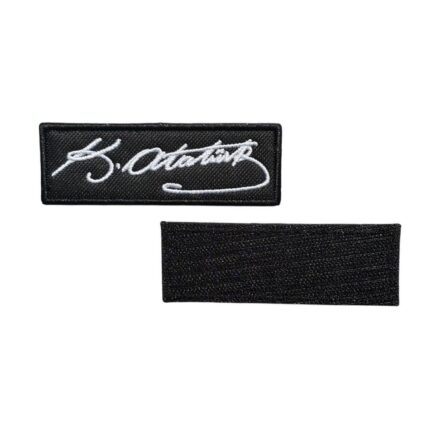
Patchwork Emblem Models: Where Quality Meets
We enrich our store with new models every day and present them to our valued customers.
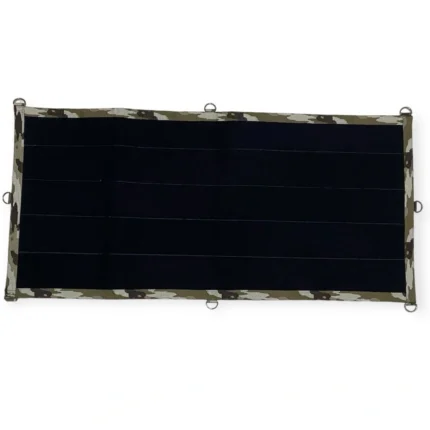
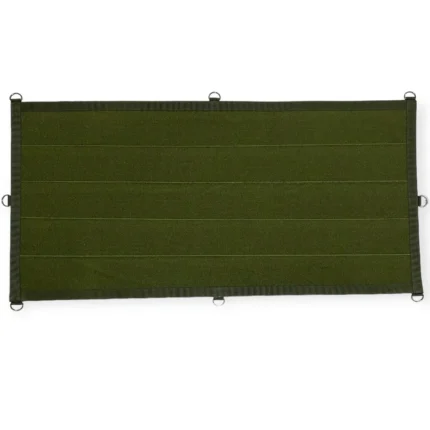
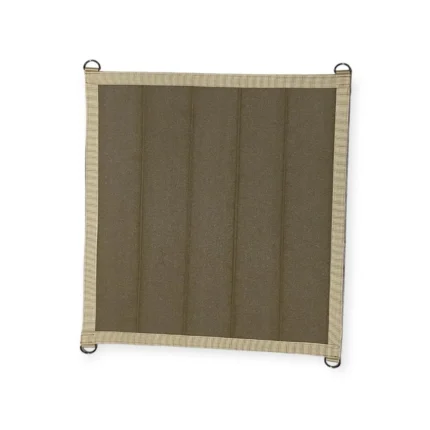
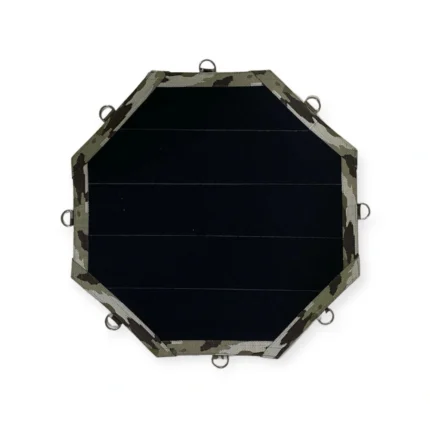
PATCH WALL

Sold out
Sold out
Sold out
Sold out
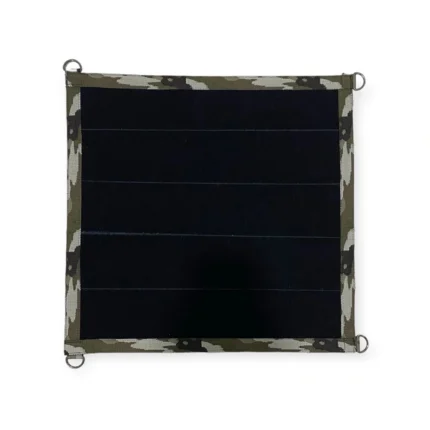
BACKPACK
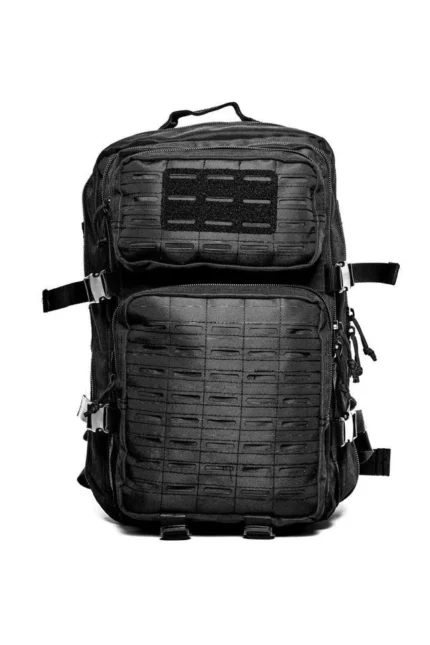
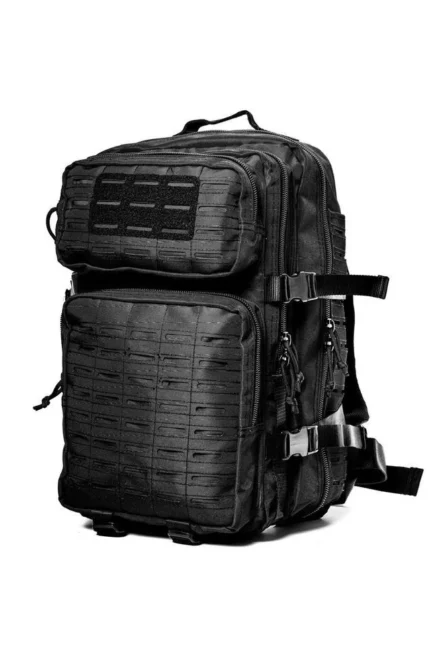
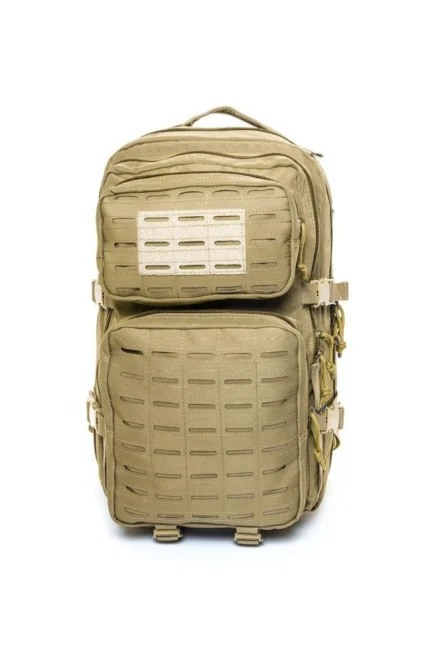
Sold out
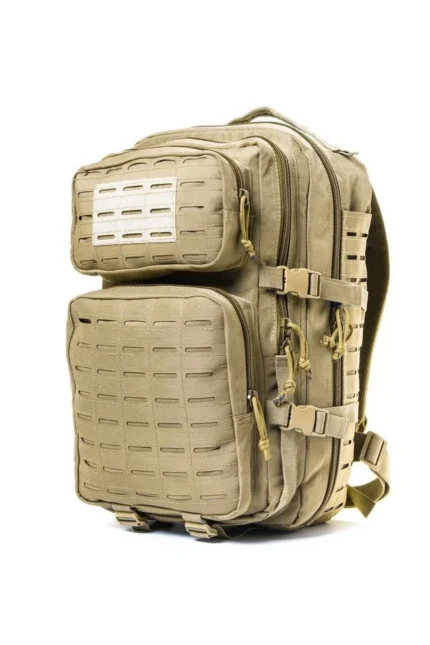
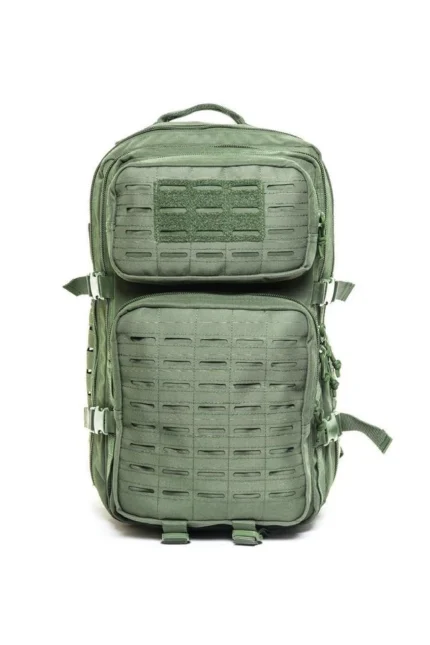
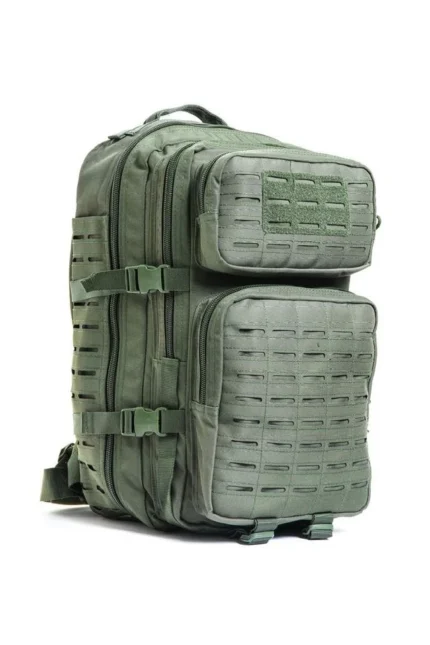
Clothing and Accessories
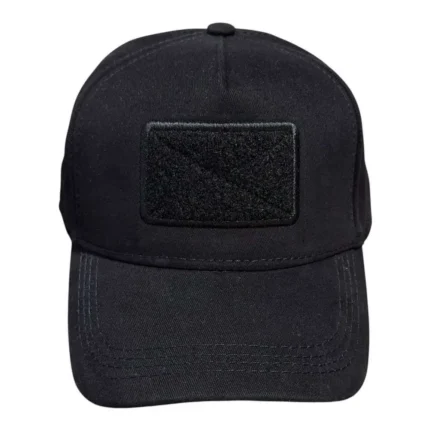
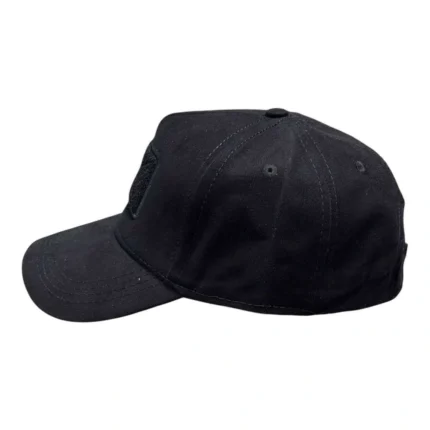
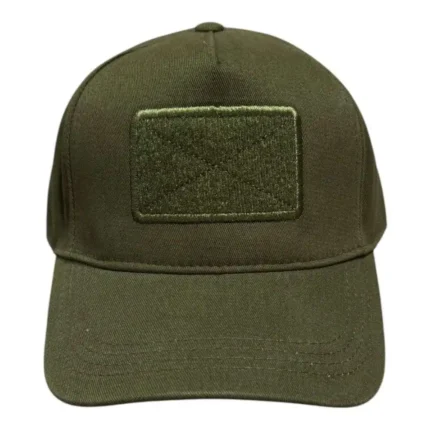
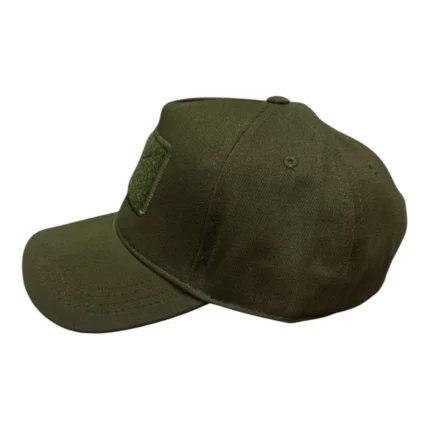
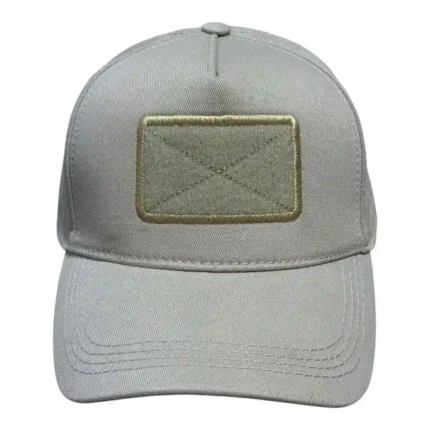
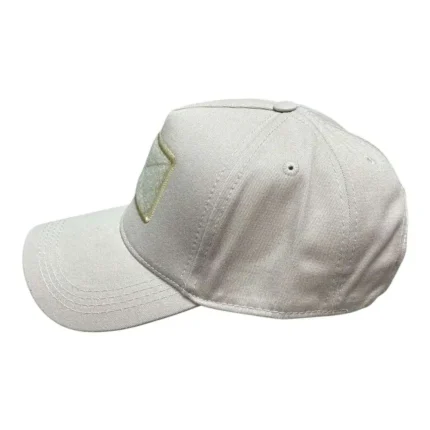
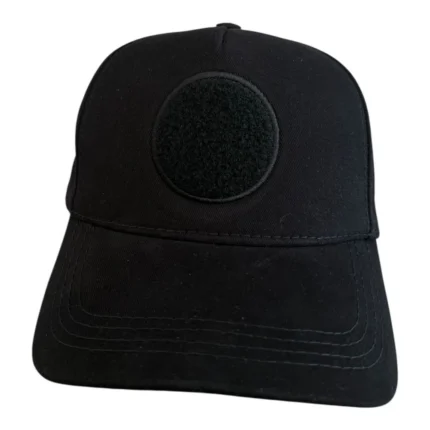
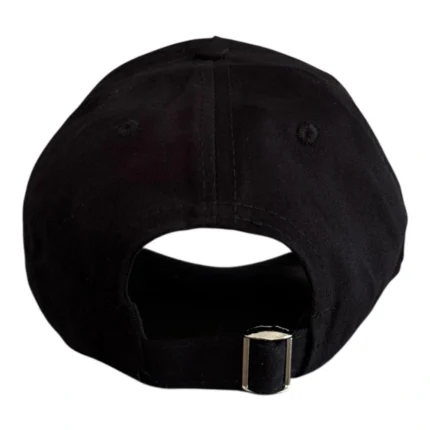
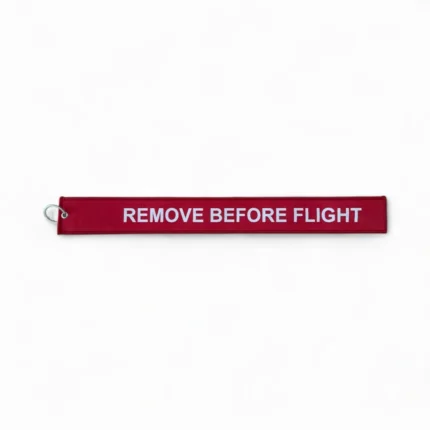
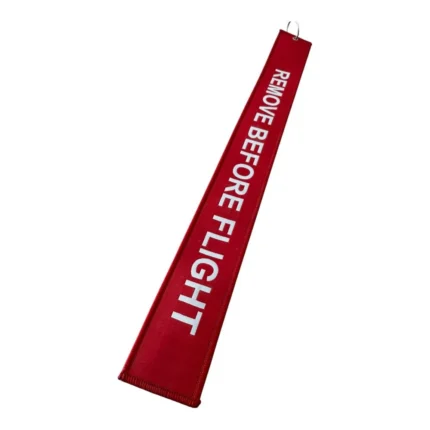
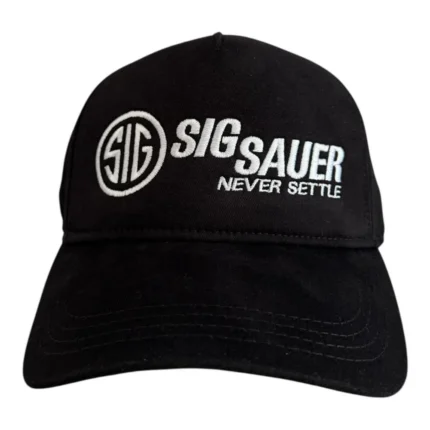
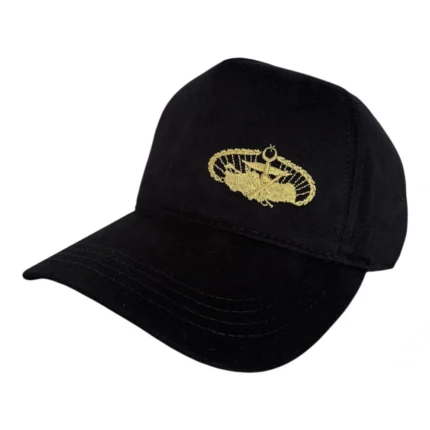
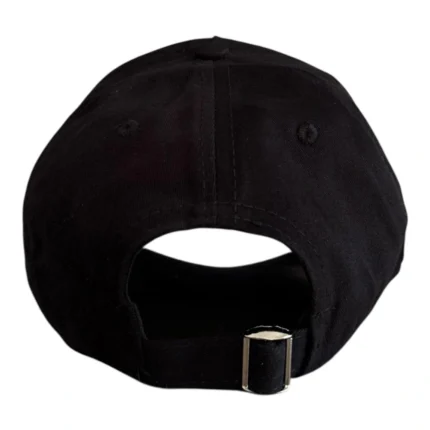
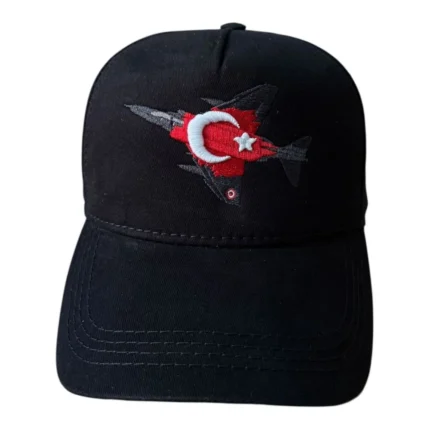
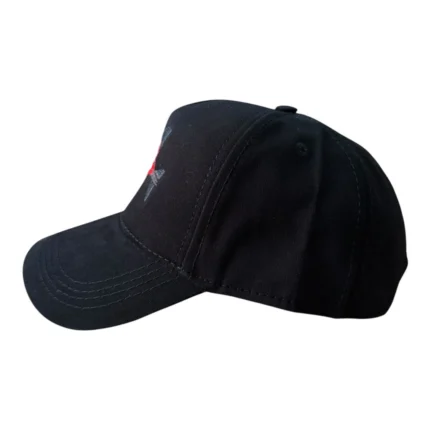
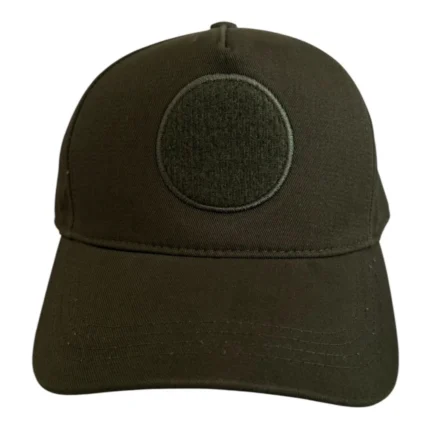
Sold out
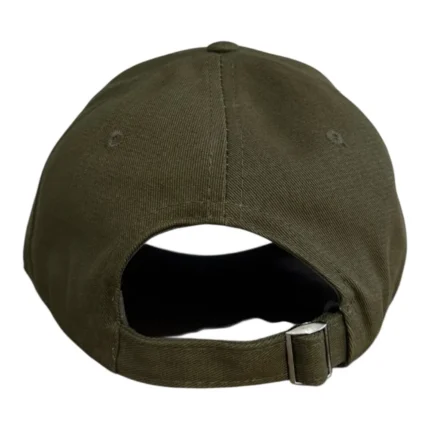
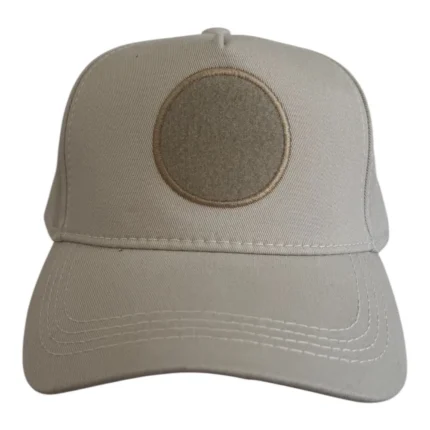
Sold out
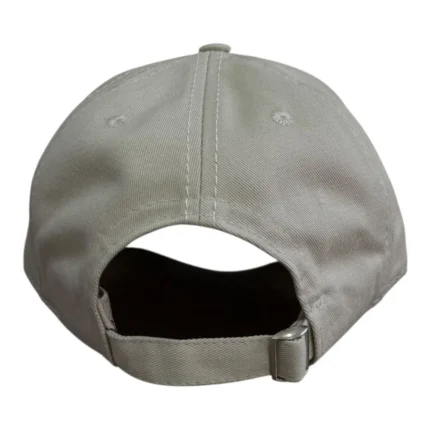
Custom Made Patch Models
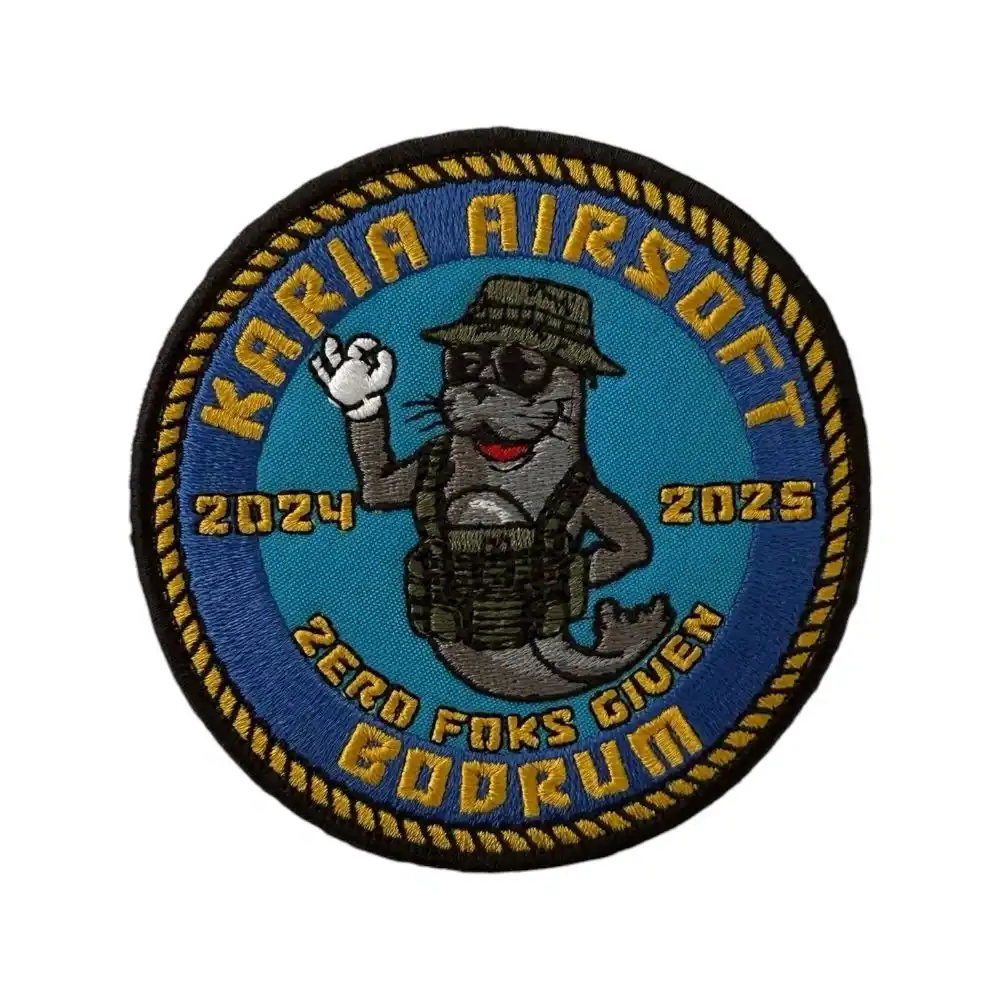
To have your design produced as embroidered or a TPU patch, you can contact us for detailed information.


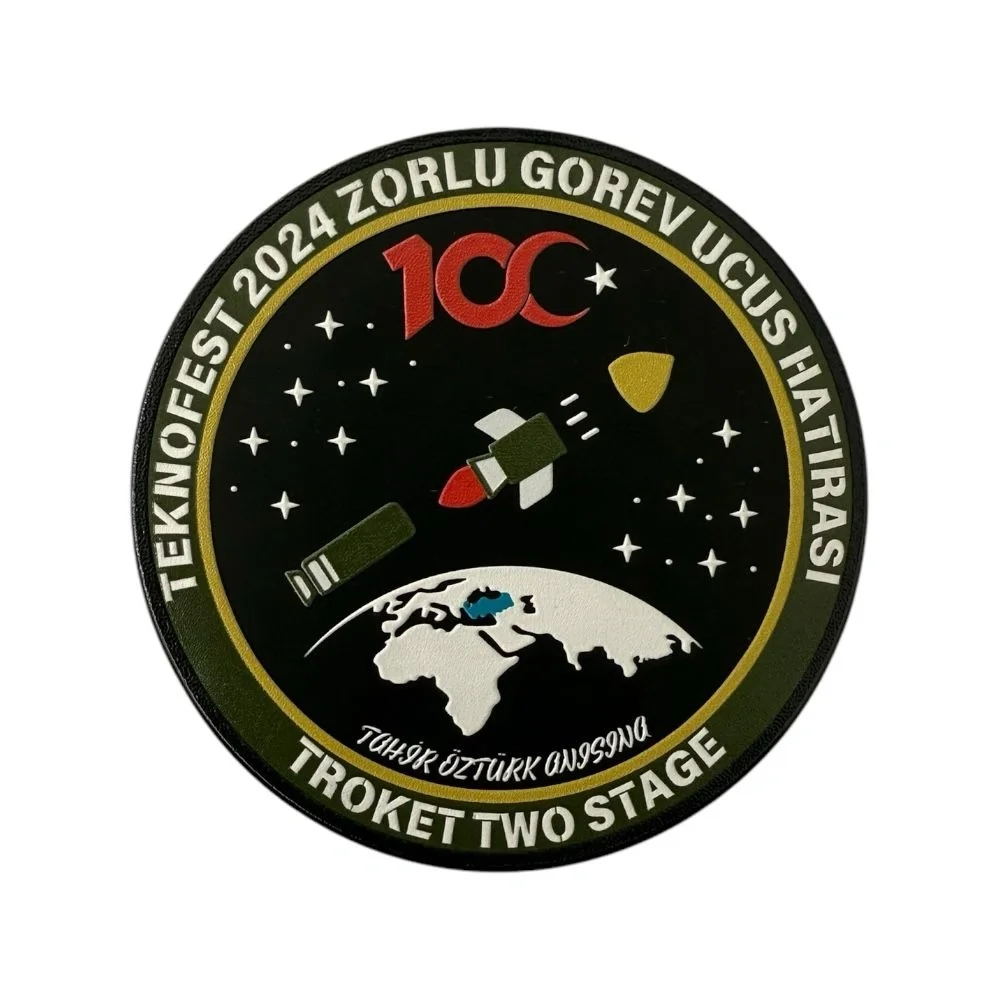
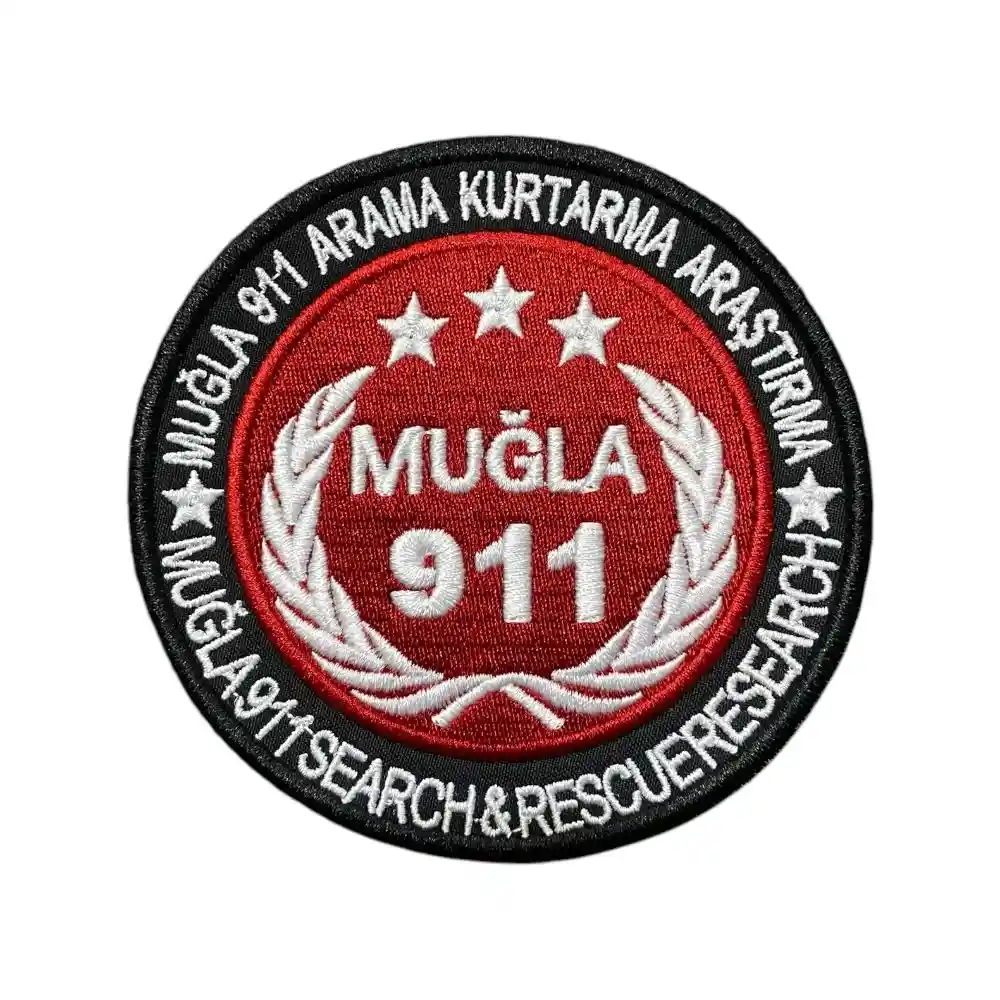


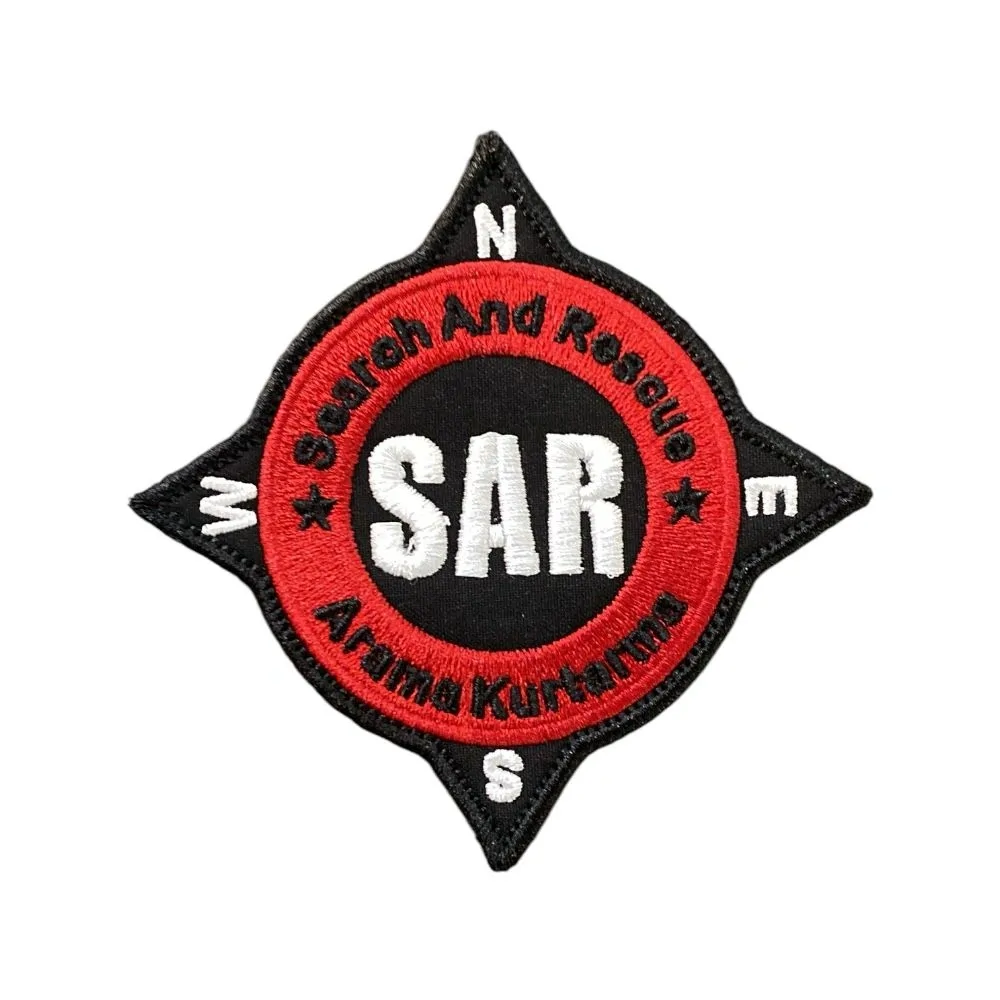
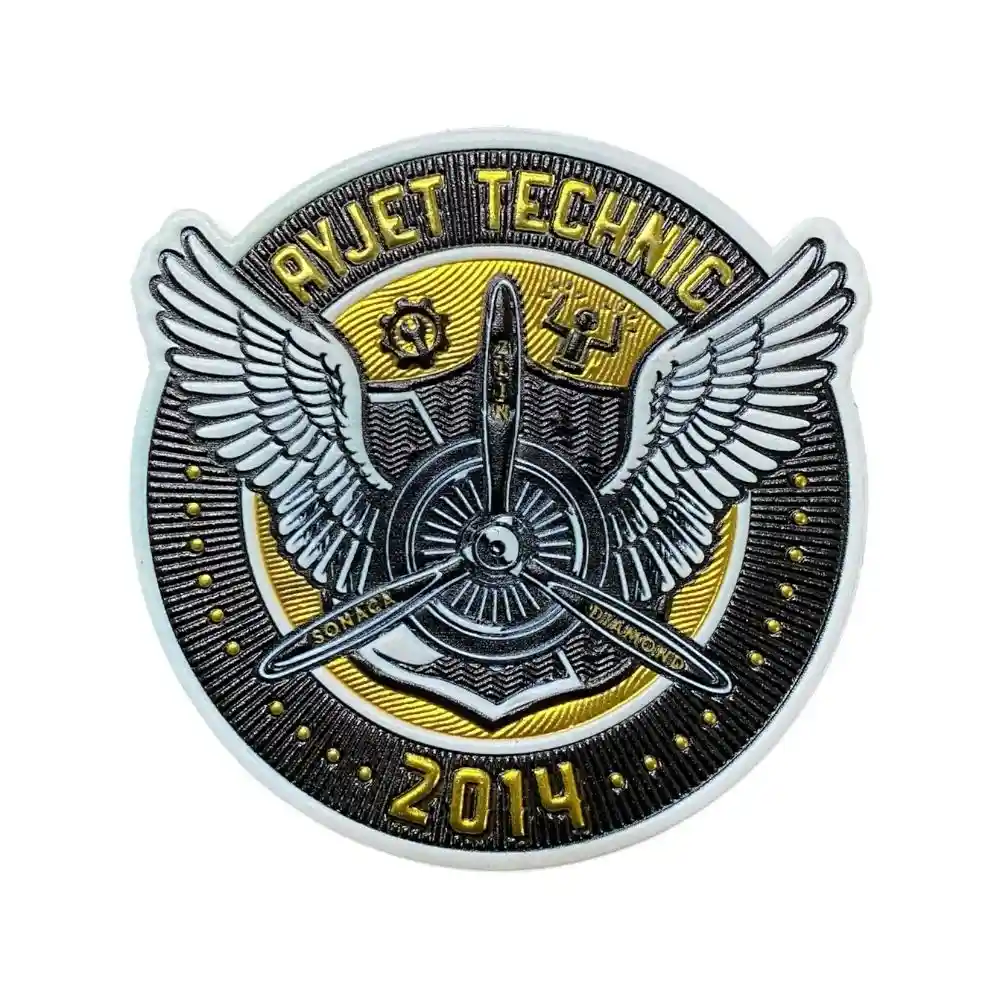
Frequently Asked Questions
What is a patch?
A patch (also known as an emblem/badge) is a piece added to textile products for functional or decorative purposes.
Patches are commonly made from fabric embroidered, TPU, or PVC; and they’re used on everything from military uniforms
to outdoor clothing, bags, and even caps & beanies.
They’re often chosen for brand identity, team/unit representation, collecting, or simply for a clean aesthetic.
They’re often chosen for brand identity, team/unit representation, collecting, or simply for a clean aesthetic.
What are the patch application methods?
🔹 Velcro (Hook & Loop):
The back side has hook-and-loop fastener, so you can attach/remove it easily. Ideal for military use, airsoft, and collectors.
🔹 Sew-on:
The classic method. You stitch the patch onto the fabric for a strong and permanent hold. Especially popular for embroidered patches.
🔹 Iron-on:
The back side contains heat-activated adhesive. It’s fast and convenient, but with heavy use it may loosen over time. For long-term durability, sewing is usually the safest option.
The back side has hook-and-loop fastener, so you can attach/remove it easily. Ideal for military use, airsoft, and collectors.
🔹 Sew-on:
The classic method. You stitch the patch onto the fabric for a strong and permanent hold. Especially popular for embroidered patches.
🔹 Iron-on:
The back side contains heat-activated adhesive. It’s fast and convenient, but with heavy use it may loosen over time. For long-term durability, sewing is usually the safest option.
What’s the difference between TPU, PVC, and embroidered patches?
Each patch type fits a different use-case and visual style:
🟢 Embroidered Patch
🟢 Embroidered Patch
- Stitched with thread on a fabric base.
- Perfect for classic, retro, and tactical looks.
- Durable and timeless when produced well.
- Made from a thick, soft plastic material.
- Offers strong detail with a 3D (raised) effect.
- Highly resistant to water and harsh conditions.
- Usually thinner and lighter than PVC.
- More flexible with a modern, technical feel.
- Great for performance / technical gear.
Why are embroidered patches the most preferred?
Embroidered patches are widely preferred for
military use, collections, and everyday gear.
One key reason is that TPU/PVC surfaces can look more reflective under certain light.
Embroidered patch advantages:
Embroidered patch advantages:
- Matte thread texture reflects less light.
- Looks natural and blends well with tactical/outdoor styles.
- Lightweight, flexible, and quiet for practical use.
What is a patch wall (organizer) used for?
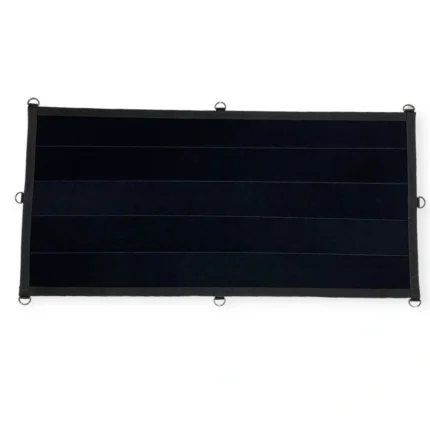
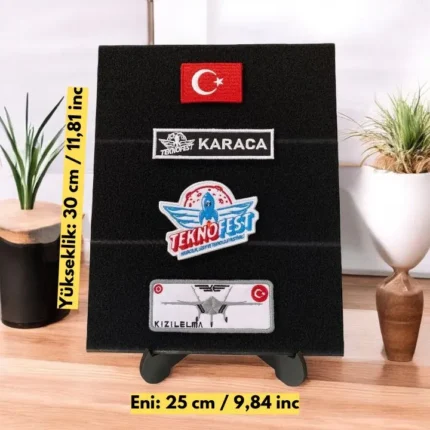
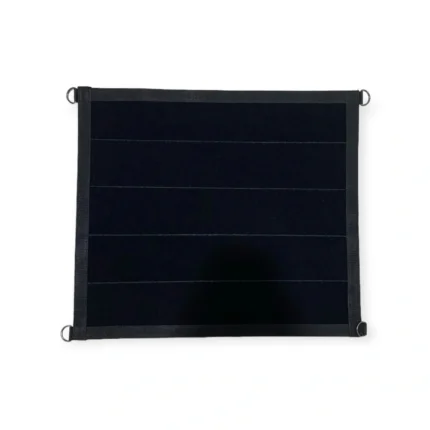
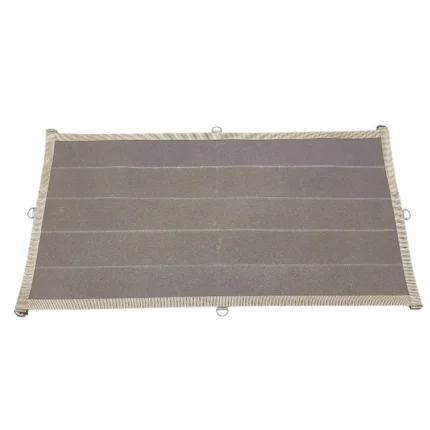
A patch wall is a Velcro-compatible panel designed to display and store your patch collection neatly.
You can attach/remove patches easily, keep them protected, and create a great-looking setup.
To organize and showcase your collection, check out our Patch Wall category.
To organize and showcase your collection, check out our Patch Wall category.
Will patches get damaged in the wash?
It depends on the material and application method. Sew-on patches are generally safer.
For Velcro patches, it’s best to remove the patch before washing the garment/gear.
General tip: wash inside-out, use low heat, and avoid high-temperature drying whenever possible.
General tip: wash inside-out, use low heat, and avoid high-temperature drying whenever possible.
Which patch type is best for which use?
Think of it like a quick guide:
- Outdoor / daily use: Embroidered or TPU (lightweight and flexible).
- Rain / mud / harsh conditions: PVC (tough and durable).
- Tactical / matte look: Embroidered patches.
- Collection / display: Velcro patches + a patch wall.
How do Velcro (hook & loop) patches work?
Velcro patches work as a pair: the hook-and-loop backing on the patch and the matching surface on your gear.
Many tactical bags, vests, and caps & beanies come with ready-to-use Velcro panels.
If yours doesn’t, you can sew a matching panel onto the item to make it Velcro-compatible.
How should I choose the right patch size?
The surface you’ll place it on (cap front, sleeve area, bag panel, etc.) determines the ideal size.
A simple rule: patches usually look cleaner when they leave a bit of breathing room around the edges instead of filling the panel completely.
Can I order custom patches?
Yes. You can create custom logo patches, unit/team designs, name patches, text-based patches, or fully original concepts.
Minimum order quantities:
Minimum order quantities:
- Embroidered patches: minimum 50 pcs
- TPU patches: minimum 300 pcs
Which shipping companies do you use?
Orders are typically shipped via Hepsijet or Yurtiçi Kargo.
The carrier and dispatch flow may vary depending on order volume and delivery region.
Do patches fade over time?
With quality production, fading is minimal in normal use. However, strong UV exposure (sun), heavy friction,
and high-heat washing/drying can reduce color life over time.
Basic care (low heat, inside-out washing) usually keeps them looking sharp.


