

Embroidered or TPU? Patch Material Comparison Guide

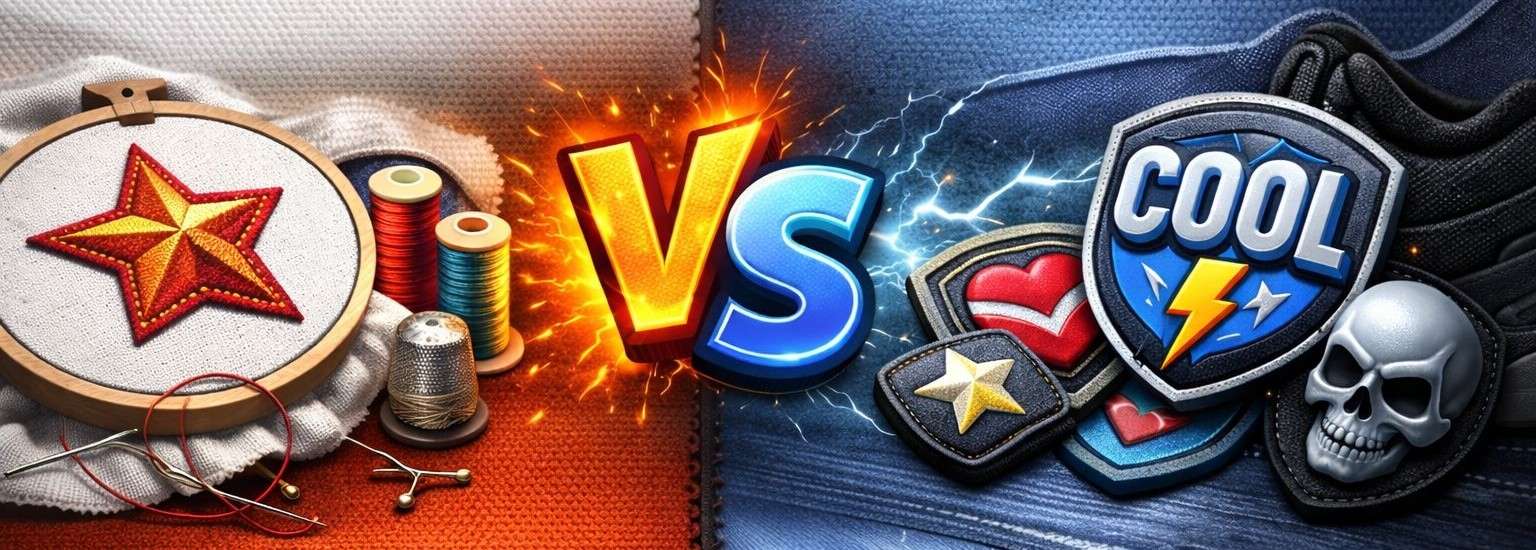
When choosing a patch, the question “embroidered or TPU?” is what most people get stuck on. This guide compares the two materials in detail across appearance, durability, environmental conditions, care, and real-world use cases. The quick decision checklist at the end helps you reach the right choice in minutes. For everyday use and overall style, embroidered patches usually stand out thanks to their natural texture and warm look; TPU is typically preferred only in constantly wet/muddy and heavy outdoor conditions.
Quick Comparison Table
| Criteria | Embroidered Patch | TPU Patch (PVC-like) |
|---|---|---|
| Look | Texture and depth; a classic, warm, timeless visual feel. | Modern, sharp lines; 2.5D/3D relief possible, colors look very clean. |
| Conditions | Everyday use, city life, and light/medium outdoor are ideal. | Constant rain/mud, heavy outdoor, tactical use & gear. |
| Detail resolution | Fine lines can be limited; in badges/typography/logos it delivers a characterful result. | Great with fine details; micro relief lines can be molded. |
| Care | Can attract lint/fibers; with regular cleaning it keeps its shape for years. | Easy to wipe clean; less affected by dirt/moisture. |
| Weight/Thickness | Depends on thread density; generally medium and comfortable. | Slightly more solid with a crisp form; thickness can be adjusted per project. |
| Photo/Video | Textile texture looks natural and premium in close-ups. | Gloss/semi-matte surface looks clean and “product-like” on camera. |
Quick tip: For everyday/classic, all-purpose use, embroidered usually feels and looks better; only in long-term, harsh field conditions does TPU make more sense.
Materials: What exactly are Embroidered & TPU?
What is an Embroidered Patch?
An embroidered patch is made by stitching threads onto a fabric base. Its texture and depth—especially for badges, ranks, text, and logos— create a classic and stylish look. With a Velcro back, you can attach and remove it easily; if you want a permanent application, it can also be sewn on. Because it blends naturally with clothing and gear, it’s often the top choice for everyday style.
What is a TPU Patch?
A TPU (Thermoplastic Polyurethane) patch is produced by molding a flexible and durable thermoplastic material. With a “rubber-like” look similar to PVC, it offers a modern, sharp, and vibrant aesthetic. It’s especially suitable for tough use and constantly wet/hard-use conditions.
Matching the Right Material to Your Use Case
Everyday Style & City Use
- On hats, jackets, backpacks, and similar items, embroidered adds a warmer character and a premium textile feel.
- For collectors and “patch wall” displays, embroidered texture adds nice visual variety.
- For everyday weather changes like light rain/cold, embroidered is enough; if you don’t have extreme conditions, you usually don’t need TPU.
Tactical & Outdoor
- If you expect constant rain, heavy dust, and frequent abrasion, TPU is easier to clean and maintain.
- On large Velcro panels (bags/vests), TPU looks crisp and bold; however, a mixed setup (embroidered + TPU) can create a balanced result.
For patches that need to be read quickly—like blood group or country flag patches—both materials work well. For everyday use, embroidered feels comfortable and looks natural, while TPU can be practical for repeated open-air missions.
Appearance & Photo Impact
In product photos, the way a material reacts to light matters. Embroidered patches create a “natural and warm” perception in branded/corporate styles thanks to thread micro-shadows and textile texture. TPU, with sharp contours and flatter surfaces, looks “modern” in e-commerce product shots. While TPU relief can be highlighted in close-ups for social media, embroidered usually blends better with outfits overall.
Durability & Care
Washing & Cleaning
- Remove all Velcro-backed patches before washing the garment.
- Cleaning lint/fibers from the hook side regularly improves grip; with proper care, embroidered keeps its form for years.
- TPU surfaces can be cleaned quickly with a damp cloth; mud/oil stains usually leave fewer traces.
Heat, UV & Abrasion
Long exposure to direct sunlight can affect any material over time. TPU generally has strong color stability; with embroidered, darker threads and a quality fabric base support long life. On high-abrasion gear (bags/vests), TPU edges can be advantageous; for everyday items, embroidered is typically enough.
Size & Shape: Which dimensions for where?
Common sizes include 8×5 cm (hat front panel & chest), 9×5 cm (wide chest panel/vest), and 7×7 cm (square logo/icon). Shield shapes, circles, and vertical strips are popular in military/aviation themes. Instead of covering the entire panel, a patch that sits 2–3 mm inside usually looks better and works better in use.
Quick Decision Checklist
- Do you have heavy, constantly wet/muddy field conditions?
- Yes → choose TPU.
- No → embroidered is the default in most cases; go to question 2.
- Your visual style: warm/classic or modern/technical?
- Warm/classic → Embroidered.
- Modern/technical → TPU.
- Is the detail level extremely fine?
- Yes → TPU tends to look cleaner.
- No → both work; choose by texture preference—embroidered usually blends better with most outfits.
Frequently Asked Questions
Can embroidered and TPU patches be used together?
Yes. Hybrid setups—like embroidered on the hat front panel and TPU for a blood group patch on the side—create both functional and aesthetic balance; the “visual center” can remain embroidered.
Which patch lasts longer?
It depends on the use case. For everyday and city use, with proper care, embroidered patches can keep their form for years. In harsh outdoor conditions, TPU typically requires less maintenance.
Do I really need to remove patches before washing?
Strongly recommended. It protects both the garment and the patch and helps prevent lint buildup on the hook side.
Which sizes are the most popular?
6×4 or 8×5 cm for chest/hat, 10×4 cm for wide panel/vest, and 7×7 cm for square logos; shield/circle shapes are also very common.


